Introduction
Fashion brands used to rely on big photoshoots to show off each new season. That meant lots of people, lights, styling, and waiting. Now things are changing fast. Clothes and collections can show up online just days after they’re finalized, almost like magic. What’s helping make that happen is something called AI product photography.
With AI, brands don’t need to hire a studio crew or book busy models weeks ahead. Instead, they can create realistic product images using tech that understands shapes, colors, and textures. This shift toward digital is happening across the industry, allowing fashion brands to produce what feels like studio-quality shots, but using algorithms, not cameras. This isn’t something that’s coming soon; it’s already here, changing how fashion looks and connects with people around the world.
Why Fashion Brands Are Moving Away from Traditional Photoshoots
Photoshoots have always played a big role in fashion. They can bring a look to life and help people picture how something would feel to wear. But traditional shoots take a lot of time and planning. Clothes need to be ready weeks in advance, and everyone from photographers to hair stylists has to be booked early.
This setup doesn’t always match the pace fashion moves now. Styles shift quickly, and trends get viral fast. To keep up, brands need to work quicker.
That’s where AI comes in:
• Fashion pieces don’t need to be physically produced before showing how they look
• Visuals can be changed or updated without scheduling a whole shoot
• Teams can react to trends within days, not weeks
Instead of putting a whole shoot on the calendar, brands are now able to switch looks, backgrounds, and models with just a few clicks. That kind of speed makes a difference in seasons like fall, when collections drop often and shoppers expect fresh looks all the time.
With the fast pace of social media and online shopping, being able to change visuals quickly is a real benefit. Fashion houses no longer have to worry about last-minute delays caused by the weather, traffic, or model availability. Even if trends shift overnight, teams can update their images and keep everything feeling new. AI lets creative departments focus more on style and storytelling, and less on arranging every last detail of a shoot.
How AI-Generated Images Work for Fashion
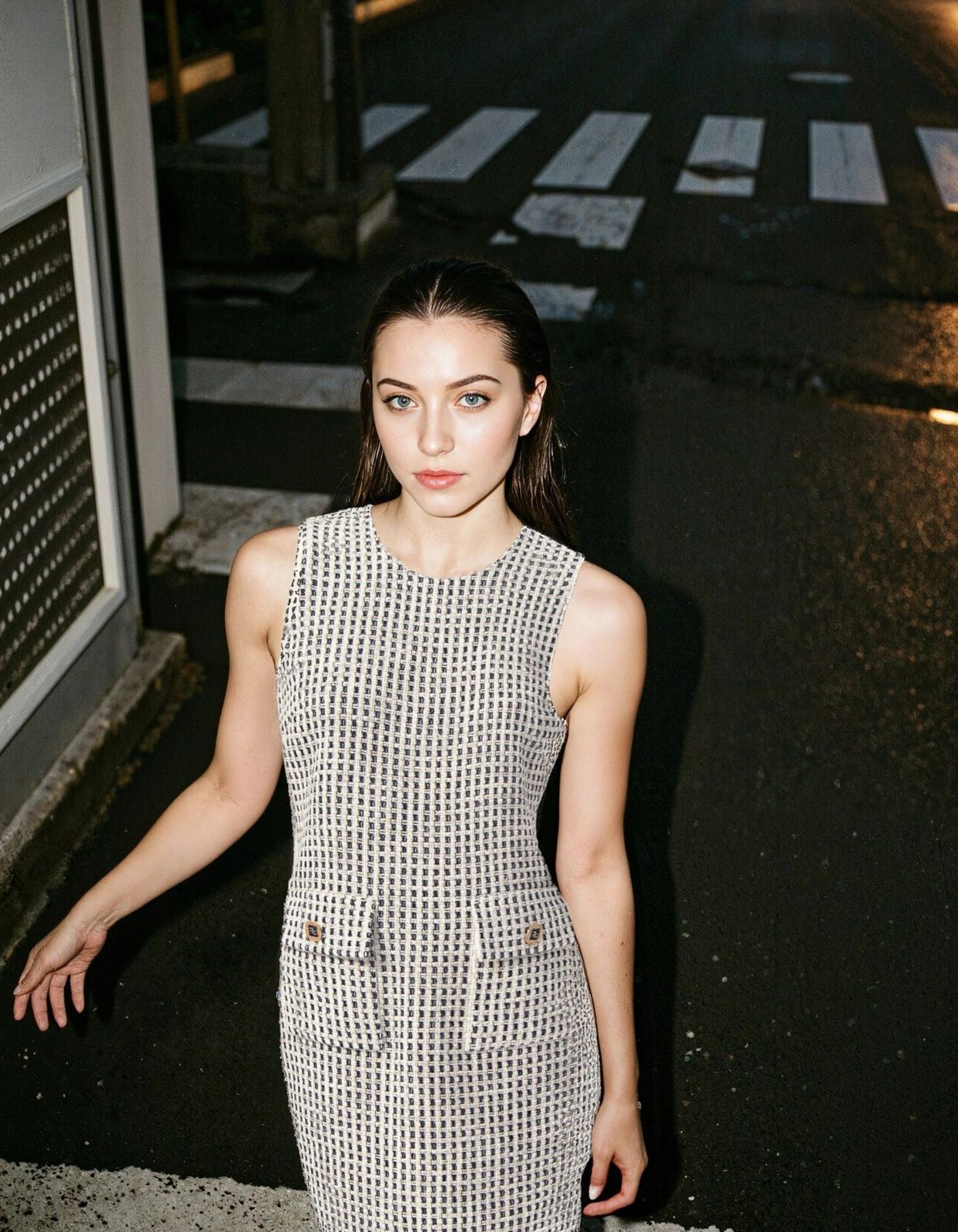
When we talk about AI product photography, we don’t mean filters or simple design tools. We’re talking about images that look like they came from a real camera, even though no camera was used.
Here’s how it works:
• The AI uses samples of fabric, color references, and design files to build a photo that matches the real product
• Clothing fits naturally on digital models, with lighting and angles that feel true-to-life
• Brands can test different versions of the image, changing poses, scenes, or surroundings easily
At PS Agency, our advanced image models are trained to understand everything from fabric sheens to tiny clothing details, allowing for precise visual choices that match each season’s trends. Let’s say a clothing line releases a jacket in five colorways. Instead of shooting each one in a studio, our team can have AI generate each version in a consistent setting. That saves time for one product and across an entire launch.
These visuals feel real because the AI knows how to read shadows, movement, and materials. Even tricky fabrics like silk or leather can be shown realistically. If anything needs to change, like swapping backgrounds from city to desert, it can happen without starting over.
Fashion teams can also preview how a collection might look in different settings before making a final decision. Making quick changes to outfits, colors, or accessories helps brands stay ready for anything, whether it’s a last-minute change in the lineup or a new idea sparked by current trends. It’s all about flexibility and creativity with less waiting along the way.
The New Look of Online Stores and Social Media
If you’ve noticed how polished and updated online stores look lately, AI might be part of the reason. More fashion brands are using AI-generated images across their websites and social pages.
Here’s how it helps:
• Images can follow the same lighting, color balance, and mood every time
• Stores look more unified, making it easier for shoppers to focus on the clothes
• New content can be added more often, with different vibes for seasons or holidays
During fall, brands often want visuals that match the season, think light layers, warm tones, or cozy scenes. AI lets teams make those changes fast. Our visuals can easily reflect current tastes, whether that’s a new color, material, or seasonal theme, without ever needing to reschedule a shoot. Need a sweater posed in a park one day and in a studio the next? That can happen without scheduling two separate shoots.
This fresh stream of content keeps online stores feeling alive, and social media posts stay on-theme. Plus, accounts stay active without waiting for weather, models, or daylight to cooperate.
As fashion seasons change, teams can regularly roll out new collections online with just a couple of updates to the AI settings. Imagery keeps up with monthly campaigns or sudden style shifts. If a brand wants to match its social feed to current mood boards or trending colors, it’s simple to refresh the whole look without starting from zero.
What This Means for Designers and Marketers
For designers, AI means less waiting between finishing a piece and getting it out in front of people. Sketches and samples can turn into photo-ready images while the real products are still in progress. That makes it easier to get early feedback or tease a drop before things go live.
Marketers appreciate it too. Campaigns can start faster, and updates can be made with little delay. Missed a trend? Change visuals overnight and launch again. Have more than one idea for a lookbook? Test them side by side. AI gives teams room to try things without slowing down.
This shift doesn’t just help large fashion names. Smaller brands often don’t have access to full photo crews. Now, they can present collections on the same visual level as bigger competitors.
Some key changes include:
• Less time spent gathering teams for new photo sets
• More control over branding in every shot
• Fewer delays between idea and launch
This flexibility supports creativity. Instead of being held up by process, our teams can focus on the actual look and feel of each piece, all while staying seasonal and on time.
Designers benefit from being able to quickly revise styles and get input from other team members or even early focus groups. Marketers can sync product launches with seasonal trends and keep up with the fast pace of digital fashion. Now, ideas can move from a designer’s imagination to a campaign-ready image in just a short window. This change helps brands connect with shoppers in a more natural and timely way.
A New Standard for Fashion Content
Fashion never stands still, and right now, neither do the tools behind it. AI product photography is already shaping how trends show up online. From fall layers to winter partywear, brands aren’t waiting weeks to show what’s new, they’re doing it fast and well.
The real shift is about breaking old bottlenecks and letting creativity flow. Brands of any size can now bring new ideas to life, post on social channels, and update online stores instantly, keeping up with the pace of style and the excitement of each new collection.
Ready to speed up your content and showcase your designs without waiting on photo shoots? At PS Agency, we combine creativity and technology to deliver visuals that look real and fit your brand. With our approach to AI product photography, fashion labels in and around Dubai can keep collections current and content flowing all season. Reach out and let’s create something great together.
Share this post: